Cryotherapy for Fitness Enthusiasts: Why Cold Therapy Is Trending

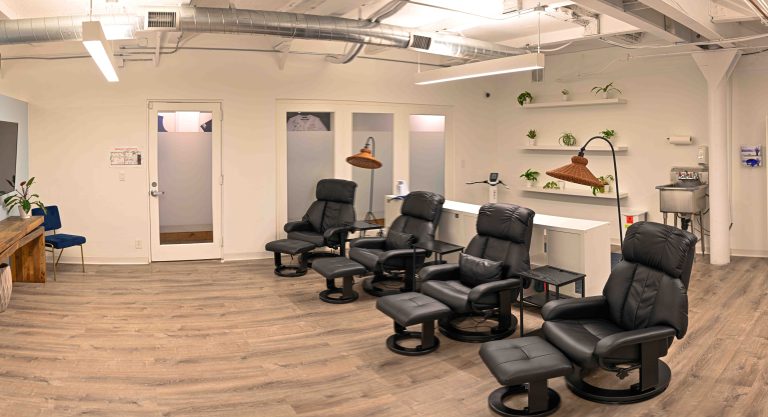
Walk into almost any upscale gym, recovery studio, or sports performance clinic right now and you are likely to find some form of cold exposure on offer. Whole-body cryotherapy chambers sit beside infrared saunas. Ice baths have moved from gritty athletic training rooms into polished wellness spaces. Social feeds are full of people stepping out of clouds of nitrogen vapor, grinning through red cheeks and talking about faster recovery, sharper focus, and better training days.
Cryotherapy has become one of those rare fitness trends that crosses several worlds at once. Endurance athletes use it. Strength athletes swear by it after brutal training blocks. Busy professionals book quick sessions because they want the recovery benefits without spending an hour in a tub of ice. Even recreational exercisers who train three or four days a week are curious, partly because cold therapy feels tangible. You can feel the shock. You can feel the aftereffect. That creates a strong sense that something meaningful is happening.
Some of that reputation is earned. Some of it is marketing. Like many tools in fitness, cryotherapy is neither miracle nor gimmick. It is a method with real physiological effects, useful in certain contexts, less useful in others, and occasionally overhyped by people who want every recovery method to sound transformational. The interesting question is not whether cold therapy works in some abstract sense. It is why it has become so popular with fitness enthusiasts, and where it genuinely fits into a smart training life.
What cryotherapy actually means
The term cryotherapy gets used loosely, which can make conversations about it frustrating. In the broadest sense, cryotherapy simply means therapeutic cold exposure. That includes classic ice packs, cold water immersion, localized cold treatments, contrast therapy, and whole-body cryotherapy sessions in chambers that expose the body to extremely cold air for a short period, often two to four minutes.
Those methods are not interchangeable. An ice bath at around 50 to 59 degrees Fahrenheit creates a different experience than a chamber cooled to dramatically lower temperatures for a much shorter duration. Cold water pulls heat from the body efficiently because water transfers temperature faster than air. Whole-body cryotherapy, by contrast, tends to feel more intense in the moment but shorter and more tolerable for people who hate sitting in icy water. That difference matters, because when people say cryotherapy helped them recover, they may be describing different protocols with different mechanisms and outcomes.
In practice, most fitness enthusiasts are talking about one of two things. They either mean a commercial cryotherapy session in a specialized chamber, or they mean some form of deliberate cold immersion, usually after hard training. Both sit under the same cultural umbrella now, even though the practical details are not identical.
The appeal is bigger than recovery alone
If cryotherapy were only about reducing soreness, it would still be popular, but not this popular. Its rise has more to do with the way modern fitness culture thinks about performance. Training is no longer seen as the whole story. Recovery has become a category of its own, with products, services, metrics, and rituals attached to it.
That shift has changed consumer behavior. People who used to ask, “What workout should I do?” now also ask, “How can I bounce back faster so I can train again tomorrow?” Cryotherapy fits that mindset perfectly. It is time-efficient, visible, and easy to package as an upgrade. A hard workout is messy. Recovery in a cold chamber feels precise. You step in, endure a short blast of discomfort, and step out feeling as though you checked an important performance box.
There is also a psychological component that should not be dismissed. Athletes and committed exercisers are often drawn to practices that demand a little grit. Cold exposure offers that. It feels disciplined. It feels earned. When someone tolerates intense cold for two or three minutes, there is a sense of accomplishment attached to the session that a massage chair cannot replicate.
That emotional reward helps explain why cryotherapy has spread well beyond elite sport. For many people, it is not just a recovery intervention. It is a ritual that reinforces identity. It says, “I take training seriously. I do hard things on purpose.”
What people are hoping to get from it
Most people seeking cryotherapy want one or more of a familiar set of outcomes: less muscle soreness, reduced post-workout inflammation, quicker return to training, a temporary lift in mood or energy, and sometimes relief from nagging aches. Those goals are reasonable, especially after high-volume training weeks, races, heavy lower-body sessions, or repeated competition days.
The soreness piece is probably the easiest to understand. Hard exercise creates muscle damage, local inflammation, fluid shifts, and a host of stress signals that can leave tissues feeling tender and sluggish for a day or two. Cold exposure may help blunt some of that response, or at least change the perception of discomfort enough that people feel better moving again. That is one reason athletes often describe feeling “less beat up” after using it.
The mood effect is another major draw, even if it gets less attention in traditional sports recovery conversations. Many people report feeling alert, uplifted, or mentally reset after cold exposure. Part of that may come from the stress response itself. Part may come from the contrast between intense cold and the warm, buzzing sensation that follows. Whatever the cause, that post-session feeling is powerful from a habit standpoint. If something leaves you feeling both accomplished and energized, you are likely to keep doing it.
Where the science is solid, and where it is still mixed
The evidence around cold therapy is useful, but not as neat as marketing language often suggests. Research on cold water immersion tends to be broader than research on commercial whole-body cryotherapy, and the protocols vary. Temperature, duration, timing, training type, and outcome measures all differ from study to study. That makes sweeping claims risky.
Even so, a few patterns are fairly defensible. Cold exposure can help reduce perceived muscle soreness after strenuous exercise, especially when training volume is high or sessions are closely packed together. It may also improve short-term recovery in situations where the next performance matters more than long-term adaptation, such as tournaments, multi-day events, or back-to-back intense sessions.
Where things get more nuanced is muscle growth and strength adaptation. In certain contexts, frequent post-lifting cold immersion may slightly blunt some of the signaling involved in hypertrophy and strength gains. That does not mean a single cold session ruins progress. It means that if your main goal is to maximize muscle growth over months of training, plunging into cold immediately after every resistance workout may not be the smartest default.
This is where experience matters more than trends. The same intervention can be helpful for a field sport athlete trying to feel fresh during a congested week, but less ideal for a recreational lifter whose biggest goal is adding size and strength. Cold therapy is a tool, not a virtue.
Why gyms and recovery studios love it
Cryotherapy is trending not only because athletes like it, but because businesses can offer it in a way that feels premium. A chamber session is short, visually dramatic, and easy to market. It photographs well. It sounds advanced. It can be bundled with compression boots, red light therapy, mobility work, or membership packages.
There is also a convenience factor. A full ice bath setup requires water, sanitation, temperature control, drainage, and space. A cryotherapy chamber is its own event. The user can book a brief slot before work, after lunch, or after a workout. For clients who would never fill a tub with ice at home, that convenience makes the barrier to entry much lower.
From a coaching and facility perspective, cold exposure also solves a practical problem. Many athletes are willing to train hard. Fewer are consistent with recovery strategies unless those strategies are immediate, supervised, and simple. Cryotherapy checks all three boxes.
The role of social proof and visible discomfort
Fitness culture has always rewarded visible effort. That is one reason sprint sessions, heavy lifts, and brutal circuits spread so easily online. Cryotherapy taps into the same instinct. It is dramatic but brief. You can watch someone brace against the cold, hear them laugh or curse, and immediately grasp that they went through something challenging.
That matters because recovery methods are often invisible. Good sleep hygiene does not make exciting content. Steady hydration does not create a dramatic moment. A two-minute cryotherapy clip does. When a method is both shareable and tied to performance language, it gains momentum faster than quieter but equally important habits.
There is nothing inherently wrong with that, but it does skew perception. People can start to overvalue the recovery practices that feel intense and underappreciate the boring ones that matter more. Most athletes would benefit far more from consistent sleep, nutrition, and sensible training loads than from any chamber session. The best use of cryotherapy is as an addition to those basics, not a substitute for them.
Who tends to benefit the most
In real-world training settings, the people who seem happiest with cryotherapy usually fall into a few recognizable groups. Competitive athletes in dense training phases often like it because the small reduction in soreness can add up over a week. Runners and field sport athletes with recurring lower-body fatigue often appreciate the feeling of lighter legs afterward. People who simply cannot tolerate ice baths sometimes find whole-body cryotherapy much more manageable. And busy adults who need a quick reset often use it as much for mental refreshment as for physical recovery.
That does not mean everyone responds the same way. Some people feel fantastic after cold exposure. Others feel only mildly better, or even flat if they use it at the wrong time. One strength coach I worked with described it well: if a recovery tool regularly helps an athlete show up better to the next meaningful session, it has value. If it becomes a ritual without a measurable payoff, it may just be expensive theater.
Timing changes the outcome
One of the most overlooked parts of cryotherapy is timing. The same cold session can be helpful or counterproductive depending on when and why it is used.
After a long race, a tournament, or a punishing block of conditioning, cold therapy may support recovery when the priority is reducing soreness and getting functional again quickly. During travel, heavy competition periods, or training camps, that can be a real advantage.
After every hypertrophy-focused weight session, the logic is weaker. If you are trying to stimulate adaptation, some of the inflammatory and cellular responses to training are part of the point. Aggressively dampening that response every single time https://mylesyqsq246.inkharbory.com/posts/how-to-get-the-most-out-of-your-cryotherapy-experience may not serve your long-term goal.
For general fitness enthusiasts, a practical rule is to let the purpose of the session guide the recovery method. If tomorrow’s performance matters and you feel heavily taxed, cryotherapy may make sense. If today’s workout was meant to build strength or muscle and you are not under unusual recovery pressure, you may be better off eating well, walking, sleeping, and letting the body do its job.
Whole-body chambers versus ice baths
People often ask which is better, but “better” depends on what they will actually use consistently. Ice baths are usually cheaper per session, and there is more established research around cold water immersion. They also deliver deep, unmistakable cold exposure. The downside is obvious: many people hate them. They are logistically annoying, uncomfortable for longer periods, and not especially convenient unless you have a setup at home or at a training facility.
Whole-body cryotherapy is faster and often easier to tolerate because exposure is brief. It feels more polished and less disruptive. For some athletes, that means better adherence. If a chamber session fits into life and an ice bath does not, the chamber may be the more useful option, even if it is not identical physiologically.
The trade-off is cost. Cryotherapy sessions are not cheap in many cities, and the benefits can be incremental rather than dramatic. That is fine for serious athletes with disposable income and clear use cases. It is less compelling for someone skipping sleep and proper meals while paying premium recovery fees.
When cold therapy may not be the right move
This is where hype tends to flatten important nuance. Cold therapy is not ideal for everyone, and there are medical contexts where it should be approached carefully or avoided. People with certain cardiovascular issues, cold sensitivity conditions, circulation problems, or specific medical concerns should get proper medical guidance before trying it. Even healthy people should respect the stress involved. Extremely cold exposure is not a toy.
There is also the issue of overuse. If someone starts relying on cryotherapy after every moderate workout, it can become less about need and more about dependence on the feeling of intervention. That mindset often signals a larger problem, usually poor load management or anxiety about recovery. The body is meant to recover from training. Not every ache needs a protocol.
Another practical limitation is expectation. Cryotherapy does not fix bad mechanics, inadequate calories, low iron, chronic under-sleeping, or a poorly designed program. It may make a tired athlete feel a little better. It will not rescue a fundamentally unsound training process.
A sensible way to use cryotherapy
For fitness enthusiasts who are curious but do not want to get swept up in hype, a measured approach works best. Think of cryotherapy as a situational recovery option rather than a mandatory pillar of training.
If you are experimenting with it, keep a few principles in mind:
- Match the method to the goal. Use cold therapy more readily during heavy competition or high-fatigue periods than during phases focused on muscle gain.
- Track actual outcomes. Pay attention to soreness, sleep, next-day performance, and motivation rather than chasing the idea of recovery.
- Start conservatively. More extreme cold or more frequent sessions do not automatically produce better results.
- Protect the fundamentals first. Nutrition, hydration, programming, and sleep should be in order before you spend serious money on recovery add-ons.
- Respect safety guidelines. Follow facility instructions and do not treat cold exposure like a bravado contest.
That kind of restraint is not glamorous, but it tends to produce better decisions than treating every trend as an all-or-nothing commitment.
Why the trend is likely to stick
Some fitness trends burn hot and disappear because they solve no real problem. Cryotherapy is different. It addresses a genuine demand. People train hard, feel sore, want practical recovery options, and increasingly think of wellness as performance support rather than luxury. Cold therapy fits that shift almost perfectly.
It also bridges old-school and modern training culture in an interesting way. Coaches have used ice and cold immersion for decades. The new part is the branding, accessibility, and broader consumer appeal. What used to be associated mostly with sport medicine and elite athletics is now presented as a lifestyle service for anyone who wants to feel better and train more consistently.
That combination gives cryotherapy staying power. It is rooted in something real, but packaged in a way that suits the current market. The details may evolve. Better protocols, more specific recommendations, and more realistic messaging will likely replace some of the exaggerated claims. Still, the underlying demand for fast, tangible recovery experiences is not going away.
The smartest perspective for fitness enthusiasts
If you strip away the dramatic visuals and the wellness branding, cryotherapy is best understood as a targeted stressor used to influence recovery. Sometimes that is useful. Sometimes it is unnecessary. Occasionally it may work against a specific training goal. That is normal. Most effective tools in fitness come with trade-offs.
For the average dedicated exerciser, the question is not whether cryotherapy is trendy. It clearly is. The better question is whether it earns a place in your routine based on your training, budget, schedule, and response. If it helps you recover during demanding periods, improves readiness for the next session, or gives you a mental lift that supports consistency, it may be worth it. If it becomes a flashy substitute for disciplined basics, it is probably solving the wrong problem.
That balanced view is less exciting than grand promises, but it is usually how useful fitness practices survive after the trend cycle fades. Cryotherapy is popular because it sits at the intersection of science, sensation, convenience, and identity. It asks very little time, offers a memorable experience, and can provide real relief when used well. For fitness enthusiasts, that is a compelling combination, and one strong enough to keep cold therapy in the conversation for years to come.
SDBody Mission Hills
Address: 1747 Hancock St Ste C, San Diego, CA 92101
Phone number: +16197720252
FAQ About Cryotherapy
What does cryotherapy do for your body?
Cryotherapy exposes the body to extremely cold temperatures for a few minutes to trigger natural healing and recovery responses.
What are the negatives of cryotherapy?
The primary negatives of cryotherapy include skin burns, frostbite, temporary nerve irritation, and temporary spikes in blood pressure caused by extreme cold.
How much does cryotherapy typically cost?
A single session of non-medical cryotherapy typically costs between $40 and $100. However, prices vary significantly depending on the specific type of treatment, your location, and whether you purchase a membership or package.